
winna-logo

Winna Originals Push Crypto Casino Gameplay Toward Speed and Transparency

Crypto casinos continue evolving as players gravitate toward faster formats, transparent systems, and gameplay that allows greater control over risk. Winna has been expanding its Winna Originals portfolio with streamlined titles designed around quick rounds and verifiable outcomes.

Two of the platform’s most prominent releases, Plinko and Mines, somewhat define the direction many crypto-native gaming products are taking. Both games emphasize rapid gameplay cycles, simple mechanics, and adjustable volatility, features that align with the preferences of modern online casino audiences.

Plinko Brings Arcade Simplicity to Crypto Casino Sessions

Plinko has quietly become one of the more recognizable gravity-based formats in crypto gaming. The concept is simple. A ball drops from the top of a pegged board and bounces unpredictably as it moves downward before landing in a multiplier slot at the bottom.

The version offered within Winna Originals focuses heavily on speed and visual clarity. Clean interface design and smooth animations keep attention on the action, while quick rounds allow players to trigger multiple drops in rapid succession. Sessions can develop a rhythm similar to live sports betting environments, where decisions and results happen quickly.

Adjustable risk settings further shape the experience. Lower risk options generally produce steadier outcomes with smaller returns, while higher risk configurations expand multiplier potential but increase volatility. That flexibility allows players to adapt gameplay to their preferred pacing or bankroll strategy.

Grid-Based Mines Adds Strategic Decision-Making

Another standout title in the Originals lineup is Mines, a grid-based game that places decision-making directly in the player’s hands. Gameplay unfolds on a board filled with hidden tiles. Each tile may contain either a safe space or a mine. Revealing safe tiles increases the round’s multiplier, while uncovering a mine immediately ends the session. Players can also cash out at any moment to lock in their current winnings.

This structure introduces a balance between caution and ambition. Conservative players may exit early after a few successful selections, while others may push deeper into the grid in pursuit of larger multipliers. Because each tile reveals an immediate result, rounds progress quickly and create a tight feedback loop that keeps engagement high.

The format also suits short gaming sessions, particularly on mobile devices where players often engage in quick bursts rather than extended play.

Transparency and Crypto Payments Remain Core Features

Transparency remains central to the Winna ecosystem. Titles within the Originals catalogue, including Plinko and Mines, use provably fair technology that allows players to verify outcomes through cryptographic hashes. Independent verification systems have become a defining feature of many crypto casinos, helping players confirm that results are generated fairly. The platform also operates within a crypto-first payment environment. Deposits and withdrawals are processed through cryptocurrency wallets, allowing transactions to occur quickly without the delays associated with traditional payment systems.

Across the Originals portfolio, the company promotes a design philosophy focused on simple rules, transparent probabilities, and relatively low house edge structures. These elements help keep gameplay accessible while maintaining competitive payout dynamics.

magic-eden-mascot

NFT Giant Magic Eden Pivots to Crypto Betting with Dicey Platform

The NFT gold rush has cooled, and Magic Eden is adjusting accordingly. Once known for expanding aggressively beyond its Solana roots into Ethereum and Bitcoin collectibles, the company is now reversing course. Its focus is shifting away from multi-chain NFT trading and toward real-money crypto gaming, led by its casino platform, Dicey.

This is not a partial trim. It is a structural pivot, and it starts with support for Ethereum (EVM) and Bitcoin NFT marketplaces, including Ordinals and Runes, which will end on March 9. The Bitcoin API will shut down on March 27. By April 1, the Magic Eden Wallet will be fully discontinued. The company is also ending its NFT buyback program.

Users holding Ethereum- or Bitcoin-based NFTs on the platform will need to migrate to alternative marketplaces before services close. Going forward, Magic Eden will maintain limited NFT activity centered on Solana and continue offering NFT packs, which bundle randomized digital collectibles. Broader multi-chain marketplace ambitions are officially over.

Bowing to the Pressure of Economics

The reasoning comes down to revenue efficiency. Management revealed that about 80 percent of operating costs were tied to product lines delivering only 20 percent of total revenue. Maintaining Ethereum and Bitcoin integrations required infrastructure, compliance, and support expenses that no longer aligned with market conditions.

The NFT sector itself has contracted sharply. Market capitalization recently fell below $1.5 billion, far from the heights of 2021. Trading activity has slowed, and competition remains intense. For Magic Eden, scaling back is less about abandoning NFTs entirely and more about reallocating capital toward products with stronger recurring income potential.

Dicey Now Becomes the Growth Engine

At the center of the new strategy is Dicey, the company’s on-chain casino. During a limited two-month beta, roughly 200 users reportedly wagered more than $15 million. That early performance reinforced leadership’s view that crypto gambling represents a larger and more sustainable opportunity.

Dicey allows users to place bets using cryptocurrency and is expected to expand into a sportsbook model. Unlike NFT marketplaces, where revenue depends on intermittent asset trading, casino platforms generate continuous wagering activity. That recurring model offers more predictable monetization.

The company sees crypto gaming as part of a broader shift where blockchain, finance, and entertainment intersect. Instead of relying on speculative digital collectibles, Magic Eden is positioning itself within the expanding crypto betting ecosystem.

As NFT enthusiasm declines, platforms are looking for alternatives that deliver consistent engagement and cash flow. It is not just Magic Eden. Crypto casinos and sportsbooks offer that path, though they also introduce regulatory complexity in many jurisdictions. This should be a defining trend for many ex-NFT-first operators.

monkey-tilt-logo

Monkey Tilt Takes Bitcoin Casino Experiences Beyond the Screen

The playbook for online casinos and crypto casinos in general is pretty much standard right now. But we are always on the lookout for fresh takes on the genre, and there is one that might just be a defining moment for the industry in 2026.

Monkey Tilt, a relatively new entrant into the space, is carving out a different identity in the crypto casino space, and it is doing it with a playbook that looks closer to entertainment branding than traditional gambling marketing. Instead of leading with bonuses and game lobbies, the company has focused on visibility, culture, and partnerships that stretch well beyond the screen.

A Crypto Casino Brand Players Can Instantly Recognize

Since its launch, Monkey Tilt has built a reputation as more than just another bitcoin gambling site. Backed by massive funding, the company is investing heavily in brand recognition and lifestyle appeal. The goal is not only to attract players looking for crypto casino games, but to become a name that feels embedded in the broader digital and cultural conversation.

In a crowded market where many platforms offer similar games and payment methods, this feels like a golden goose. Standing out increasingly means building a personality and presence that players remember, even when they are not actively gambling.

Using Poker as a Growth Engine

A major part of that positioning comes from Monkey Tilt’s connection to the poker world. Early on, the company aligned with PokerGO, and this elevated its exposure to a global audience of poker fans, professional players, and major tournaments.

Why? Well, poker audiences tend to overlap with bitcoin gamblers who are comfortable with digital wallets, online competition, and higher-risk, skill-based formats. Embedding itself in the poker ecosystem and relying solely on performance marketing, Monkey Tilt can tap into an audience that already understands both online play and alternative payments.

Big-Ticket Activations to Reel You In

Monkey Tilt has also stepped outside the digital casino environment with attention-grabbing real-world campaigns. Its collaboration with West Coast Customs produced the “Tilt Truck,” a custom-built mobile casino and entertainment space designed to travel to major events.

The truck debuted during Super Bowl weekend in New Orleans through a partnership with Complex, a media brand known for its influence in youth and pop culture. Visitors explored the branded space and took part in a headline vault challenge tied to a potential $1 million prize. Even without a winner, the activation generated social buzz and positioned Monkey Tilt as a crypto casino brand willing to show up in unexpected places.

Our takeaway? Maybe the next phase of growth in bitcoin casinos could be a mixture of cultural relevance and real-world presence, working alongside what happens on the reels or at the tables.

crypto-coins

Early 2026 Guide for Crypto Casino Enthusiasts

As we settle into 2026, the search for the most promising cryptocurrencies is heating up once again as the industry gains more traction. Player focus has shifted from chasing every hype token to dabbling more in spotting projects with clear use cases and real adoption that can enhance gaming and payments.

From Bitcoin Layer 2 innovations to AI-driven platforms and community-focused tokens, a handful of projects are already gaining traction and could define crypto activity in gaming circles this year. Looking for a mix of utility and innovation? Well, these might deliver just that.

Layer 2 Solutions Taking the Lead?

Bitcoin Hyper ($HYPER) continues to draw attention as Bitcoin’s first Layer 2 scaling solution, offering staking rewards of up to 41% APY. Its faster transaction capabilities make it particularly appealing for casino deposits and governance participation. Since its launch in May 2025, Bitcoin Hyper has steadily grown its ecosystem, combining scalability with meaningful utility for users.

Arbitrum and LiquidChain ($LIQUID) are also leading the way in multi-chain and Layer 2 adoption. Arbitrum boasts nearly 290 bridged projects with significantly lower transaction fees, while LiquidChain unifies liquidity across Bitcoin, Ethereum, and Solana, providing seamless cross-chain opportunities. That is perfect for crypto casinos exploring multi-chain payments.

For Lovers of Meme Tokens

Meme-based tokens remain a strong trend in early 2026. Maxi Doge ($MAXI) has emerged as a next-generation Doge-inspired token with staking rewards, community events, and gamified features appealing to Bitcoin casino audiences. SpaceXRP similarly leverages community engagement, offering interactive staking experiences tied to XRP news and missions.

Meanwhile, Solana-based Gassed Token introduces a playful “fart-to-earn” mechanic in its P2E ecosystem, reflecting the growing appetite for gamified crypto interactions alongside traditional online gambling.

AI Gaming

AI continues to be all the buzz, and blockchain has not been left behind in 2026, creating opportunities beyond simple token speculation. SUBBD ($SUBBD) offers AI-powered content creation with staking and creator incentives, while Vortex FX ($VFX) integrates AI-driven trading strategies with token-based governance. Render provides distributed GPU rendering solutions, and BMIC ($BMIC) delivers quantum-resistant wallet security.

DePIN and Web3 Integration

Decentralized networks and Web3 adoption are key to scaling crypto usage in gaming. Storj offers secure, decentralized cloud storage, while Toncoin integrates with Telegram, connecting millions of users and making crypto interactions accessible. Solana, as a high-speed Layer 1 blockchain, continues to support gaming applications with low fees and fast transactions, making it a strong foundation for online casinos and blockchain-based entertainment.

So, which one speaks to your needs?

pi-cidi

CiDi Games Brings Pi Token into Everyday Play for Millions of Users

Pi Network is doubling down on gaming as a central part of its future, and crypto players stand to gain the most. Thanks to a new strategic partnership and investment agreement with CiDi Games, the project is preparing to roll out a wave of Pi-integrated titles designed specifically to enhance utility, engagement, and on-chain activity for millions of enthusiasts worldwide.

Unsurprisingly, they are positioning it as more than just a content launch. They are also aiming for a unique push to make gaming one of the key engines driving the Pi ecosystem forward.

Why It Should Matter for Players

At the heart of the partnership is a plan to create lightweight, accessible Pi-powered games that tap directly into Pi Network’s global social community. Instead of the typical friction that often comes with Web3 gaming, CiDi Games is building experiences where Pi Wallet integration, Pi payments, as well as real-time interactions occur naturally in the background.

Players have already had a taste of this with FruityPi, one of the most popular Pi-native games using Pi Ads, Pi Wallet, and in-game Pi transactions. The partnership intends to take that foundation and scale it across multiple titles, positioning Pi as a token players actively use.

If you are a crypto gamer, this means more ways to earn, spend, and interact with Pi inside real-time evolving game environments. No complicated onboarding, no technical barriers, just seamless gameplay powered by the same digital currency used across the Pi ecosystem.

Building a Stronger Ecosystem

The Pi Core Team frames gaming as a natural evolution for the network. With its verified user base and social structure, Pi already supports high engagement. That is something games can amplify through daily loops, rewards, and on-chain actions. As players interact with these games, they generate activity that inspires more developers to build new applications, which in turn strengthens token utility even further.

The network has previously supported gaming through hackathons, incubation initiatives, developer tooling, and the Pi Ad Network monetization layer. What’s new is the scale. CiDi Games is designing titles for tens of millions of Pioneers, backed by Pi Network Ventures, the project’s $100 million investment arm dedicated to Pi-native innovation.

Their involvement signals long-term confidence in CiDi’s development team and a future where gaming is woven into every part of the Pi experience. That starts right from engagement to transactions and even ecosystem growth.

whale-battlepass

Whale.io Launches Battlepass Season 3 with More Crypto Cashback

If you are still on the hunt for unique crypto offers, our news stories always try to keep you updated. This one might just get your attention. Whale.io has officially launched Battlepass Season 3, a major upgrade to its rewards system that combines cashback, crypto bonuses, and gamified progression into one of the most generous loyalty programs in online crypto gambling.

Designed to make every wager more rewarding, the new Battlepass introduces 11 ranks, 101 levels, and cashback rates of up to 11% daily and 11% weekly, setting a new benchmark for player incentives in the Bitcoin casino scene.

A Ton of Unique Rewards to Explore

Battlepass Season 3 is built around progression. Players begin as Rookies and advance through ranks like Warrior, Legend, and King before reaching Immortal. This is the pinnacle of Whale.io levels, and it does come with amazing rewards to boot. Every level unlocks instant crypto rewards, while every rank brings exclusive bonuses and a permanent boost to cashback rates.

The progression system ensures that every session counts. Whether betting on slots, live tables, or sports, players earn experience points (XP) that fuel their climb through the ranks. With 101 total rewards to unlock, Season 3 guarantees that consistent play translates into measurable value.

Cashback That Scales with Every Bet

One of the defining features of Whale.io’s new Battlepass is its dynamic cashback model. As players rise through the ranks, their daily and weekly cashback rates automatically increase, with the top-tier Immortal rank offering 11% daily and 11% weekly cashback, which is among the highest in the industry.

Cashback applies to all wagers, win or lose, and is instantly paid in cryptocurrency, including Bitcoin (BTC), Ethereum (ETH), and TON. This gas-free payout system ensures smooth and immediate transactions, giving crypto gamblers full control of their earnings and transparency in every reward.

For casual players, it offers steady progression and daily crypto returns. For high rollers, it delivers elite-tier cashback and prestige.

Exclusive Rewards for Battlepass Holders

Accessing the full Battlepass experience requires a one-time payment of $1.99 or 4,999 $WHALE tokens, unlocking all 101 levels and 11 ranks of bonuses. Once activated, players can progress freely, earning increasing cashback rates, crypto rewards, and exclusive perks along the way.

The system is straightforward: buy the Battlepass, play your favorite games, level up with every bet, and claim rewards as you go. With each milestone, you not only earn bonuses but also move closer to the coveted Immortal rank, where maximum cashback and elite status await.

ripple-xrp

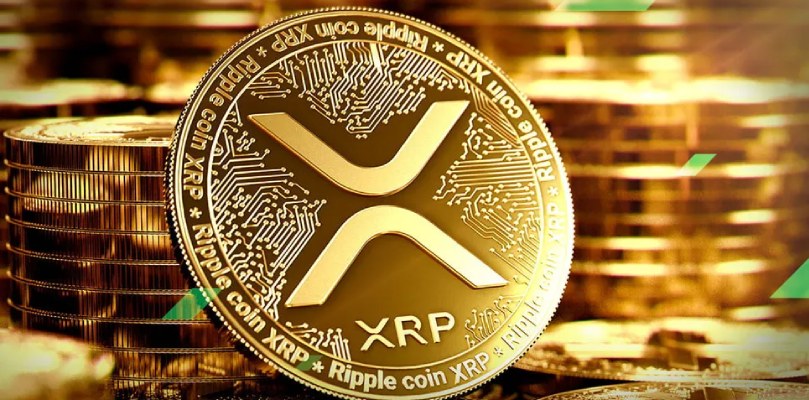
Ripple CTO’s Lucky Spin Triggers Wild XRP Price Theories

In the world of cryptocurrency, even the most innocent-looking posts can ignite a storm of speculation. That is exactly what happened when David Schwartz, the Chief Technology Officer of Ripple, shared a photo of a slot machine on June 1, 2025. What appeared to be a lighthearted casino win quickly became the center of a heated discussion within the XRP community.

David Schwartz posted a picture of a slot machine showing a win of $1,458.30, accompanied by a simple caption: “Jackpot.” The machine also displayed a possible grand payout of $11,106.78. At face value, it seemed like nothing more than a personal moment shared on social media. However, those familiar with the Ripple executive’s past behavior saw it differently.

Within minutes, fans and followers began interpreting the image as something more than just a celebratory snapshot. Some speculated that the larger figure, $11,106.78, might be a hint about XRP’s

Reading Between the Lines

Regardless of David Schwartz’s intention, the XRP community meticulously examined every detail. The specific numbers on the slot machine became a focal point. One enthusiast boldly declared, “$11,106.78 XRP confirmed,” treating the amount as a potential forecast or symbolic marker. This level of interpretation might seem exaggerated to outsiders, but it reflects the community’s habit of searching for deeper meaning in every interaction involving Ripple’s key figures.

The XRP community is known for its deep engagement with Ripple leadership. Over the years, David Schwartz has developed a reputation for sharing cryptic messages, puzzles, and thought-provoking content. His popularity has led many to believe that nothing he posts is without purpose.

Whether the numbers hold significance or the post was just a moment of harmless fun, it once again showcased the power of social media to spark conversation and speculation in the crypto world. Sometimes, in this space, a single word and a few digits can ignite a frenzy.

Crypto Culture and Casino Luck

This episode is yet another manifestation of an increasingly common crossover between digital finance and online gaming. The image of a slot machine win became more than just a celebration of good luck. It also became a canvas for market speculation. For crypto casino audiences, this moment is a perfect example of how quickly gambling and investing can blur in digital spaces.

The ripple effect of Schwartz’s post is another glaring sign of how moments can inspire debate, excitement, and theories. It reflects how emotionally invested the community has become, particularly in an environment where regulation battles and price volatility are part of daily life.

sharplink

SharpLink Gaming Makes Headlines with $425M Ethereum Move

SharpLink Gaming, a leading digital marketing firm in the U.S. sports betting industry, announced a major shift in strategy by raising $425 million through a private equity deal. The company revealed that it will now hold Ethereum (ETH) as its primary treasury reserve asset.

Headquartered in Minneapolis, Minnesota, SharpLink is recognized for its affiliate network, PAS.net, which connects users to regulated online sportsbooks and casinos in the U.S. Through its portfolio of state-specific domains, SharpLink specializes in performance-based marketing for the expanding U.S. gambling market.

Now, SharpLink is making a significant entry into the world of blockchain finance, becoming the first company listed on Nasdaq to undertake such a move. The recent capital raise was made possible through a Private Investment in Public Equity (PIPE) deal, spearheaded by ConsenSys Software Inc., the Ethereum-focused company founded by Joseph Lubin, who is also a co-founder of Ethereum. Following the completion of the deal, Lubin anticipates becoming Chairman of SharpLink’s Board of Directors.

This investment round also includes support from notable cryptocurrency investment firms such as ParaFi Capital, Electric Capital, Pantera Capital, Arrington Capital, and Galaxy Digital, which reinforces the company’s credibility within both the crypto and gambling tech sectors.

Rapid Gains for the Market

Following the announcement, the prices of Ethereum rose by approximately 3%, according to the BNC Ethereum Liquid Index, climbing from around $2,570 to nearly $2,647. However, the most dramatic movement was observed in SharpLink’s stock, which surged by over 400% in a single trading session, rising from under $7 to roughly $33.50.

SharpLink’s choice to utilize Ethereum as its treasury reserve asset stems from the network’s increasing institutional backing and practical applications. Ethereum offers robust liquidity, a mature blockchain ecosystem, and a wide range of applications in decentralized finance (DeFi), blockchain gaming, NFTs, and smart contracts.

These capabilities align with SharpLink’s digital-first business model and pave the way for future innovations, such as integration with decentralized apps (dApps), Web3 user experiences, and blockchain-driven loyalty or rewards systems specifically designed for U.S. gamblers.

Good News for the U.S. Online Gambling Industry?

SharpLink’s shift may signify a crucial turning point for online gambling companies operating in the U.S. By adopting Ethereum as a treasury asset, SharpLink is bridging the gap between traditional iGaming business models and decentralized finance. This move could encourage more operators and affiliates to explore crypto integration, whether through digital asset reserves, blockchain-based rewards programs, or NFT-driven user engagement strategies.

As more U.S. states continue to legalize and regulate sports betting and online casino games, companies that embrace both regulatory compliance and technological innovation will be best positioned to lead. SharpLink’s Ethereum strategy may serve as a model for how gambling businesses can future-proof their operations in a digital-first economy.

2024-2025

Blockchain Gaming Gearing Up for a Promising 2025

For blockchain gaming, 2024 will likely be remembered as a transitional period – marked by early promise, mid-year turbulence, and a hopeful conclusion. Despite its challenges, the stage is set for blockchain gaming to thrive in 2025, with exciting new titles, technological innovations, and shifting market dynamics driving momentum.

Lessons Learned in 2024

2024 will likely be remembered as a year of unfulfilled promise rather than groundbreaking achievement. The year began with enthusiasm as numerous gaming tokens launched, fueling high hopes for innovation and adoption. Yet, as the months progressed, the momentum waned. Declining cryptocurrency prices and underwhelming game launches failed to capture sustained player interest. Even established favorites struggled with fluctuating user engagement.

A shift in the gaming landscape emerged during the second quarter with the rise of Telegram’s TON blockchain, which introduced simpler, more accessible games to the ecosystem. While this development offered fresh opportunities for onboarding new players, it fell short of demonstrating long-term retention or widespread success.

But all these did not certainly mean that it was the end of the road.

Big Names and Ambitious Goals on the Horizon

The new year promises to be a turning point for blockchain gaming as the industry steps into 2025 with a lineup of high-profile releases and innovative projects. Games like EVE Frontier and MapleStory Universe, which gained traction with their early previews, are now set to deliver more refined and feature-rich experiences. Additionally, titles like FIFA Rivals from Mythical Games and Pudgy Party are gearing up to target mass-market audiences. With their mobile-friendly design and the backing of globally recognized brands, these games have the potential to bring blockchain gaming to a broader demographic.

One of the most exciting developments for 2025 is the deeper integration of artificial intelligence into gameplay. This trend is expected to redefine the boundaries of gaming, merging blockchain technology with cutting-edge AI to captivate players like never before.

The industry’s growth is further bolstered by the resurgence of optimism in the cryptocurrency market. Bitcoin’s dramatic climb past the $100,000 mark at the close of 2024, spurred by renewed confidence following the US election, has reignited interest in blockchain projects.

Challenges and Opportunities Ahead

While 2025 holds immense potential, it also comes with challenges. Long-term player retention remains a critical hurdle, as does the need to bridge the gap between crypto enthusiasts and traditional gamers. Projects will need to focus on delivering compelling gameplay experiences rather than relying solely on tokenomics to attract and retain players.

Moreover, the success of blockchain gaming will depend on its ability to navigate regulatory uncertainties, particularly in specific markets with strict crypto regulations. Developers must also prioritize user-friendly interfaces and seamless onboarding to make blockchain gaming accessible to a wider audience.

bitcoin-casino

Crypto Whales Drive $5 Billion Surge in Web3 Casino Revenues

Web3 casinos and gambling platforms saw unprecedented financial success in 2023, amassing $5 billion in cryptocurrency from around 4,000 wallets. This revelation, provided by blockchain forensic firm Chainalysis, highlights the substantial impact of a small but highly active group of players on the Web3 gaming sector.

High-Frequency Players Drive Revenue

Chainalysis, headquartered in New York, detailed in an August 5 blog post that high-frequency players are the backbone of Web3 casino revenues. On average, these players transact approximately $7,000 worth of cryptocurrency each. Despite their limited numbers, their financial contributions are immense. Specifically, around 500 high-value “crypto whales”—players who each transferred an average of $25,000—collectively contributed $320 million in 2023. This data underscores the significant revenue disparity between casual players and these high-stakes participants.

Transaction Patterns and Player Behavior

The majority of transactions on Web3 casinos are conducted via personal wallets. Chainalysis reports that 61% of deposits and 70% of withdrawals related to these platforms are made through personal wallets, while cryptocurrency exchanges account for the remaining 38% of deposits and 29% of withdrawals. This extensive use of personal wallets provides a clear trail of player behavior and financial activity, enabling businesses to gather detailed insights.

Strategic Implications for Businesses

The transparency of on-chain transactions offers significant strategic advantages for Web3 casino operators. By analyzing player behavior, businesses can gain a comprehensive understanding of player holdings, spending habits, and engagement across blockchain platforms. This data facilitates more accurate segmentation and the development of tailored marketing strategies, enhancing user engagement and retention. Chainalysis highlighted the importance of these insights, stating that they provide “a holistic view of off-platform activities crucial for engaging users.”

Growth and Future Prospects

The Web3 casino sector has seen steady growth over the past four years, accumulating $78.7 billion in cryptocurrency. This growth trajectory reflects the transformative potential of blockchain technology within the gambling industry. However, alongside these financial gains, there are emerging concerns about the potential for these platforms to be exploited for money laundering and other illicit activities.

Regulatory and Compliance Challenges

As Web3 casinos continue to thrive, the need for robust regulatory frameworks becomes increasingly critical. The potential for money laundering and other financial crimes poses significant risks. Chainalysis emphasized the importance of vigilance and stringent compliance measures to mitigate these risks and ensure the industry’s sustainable growth.

Market Dynamics and Competitive Landscape

The success of Web3 casinos is also reshaping the competitive landscape of the gambling industry. Traditional casino operators are now facing competition from these innovative platforms, which offer enhanced transparency, security, and user engagement. The integration of blockchain technology provides Web3 casinos with a competitive edge, attracting tech-savvy players who value these attributes.

Investment and Innovation in Web3 Casinos

The financial success of Web3 casinos has also spurred increased investment and innovation within the sector. The infusion of capital is driving the development of new gaming technologies and platforms, further enhancing the player experience. Innovations such as decentralized gaming applications, provably fair algorithms, and smart contract-based reward systems are setting new standards in the industry.

The Road Ahead

The remarkable financial success of Web3 casinos, driven by a small cohort of high-frequency and whale players, underscores the potential and challenges of integrating blockchain technology within the gambling industry. As these platforms continue to evolve, the industry must navigate the complexities of regulatory compliance and financial transparency to sustain its growth. The future of Web3 casinos will likely be shaped by ongoing technological advancements, regulatory developments, and shifting market dynamics, positioning them as a significant force in the global gambling landscape.